With age, many of us often observe changes in our vision, ranging from challenges in reading fine print to issues with clear vision at different distances. This natural progression typically brings up the question of which type of eyewear is best for maintaining quality vision. Introducing progressive lenses, a multi-distance lens option that provides a fluid transition between different viewing distances, allowing wearers to maintain clear sight at close, medium, and long ranges free from the noticeable lines of bifocal glasses.
Moving to progressive lenses can seem daunting at first, but understanding their benefits and learning how to adjust can significantly improve the overall experience. By offering a smoother visual experience to meeting vision adjustments due to circumstances such as cataracts or astigmatism, progressive lenses offer a versatile option that many find preferable to traditional reading glasses or bifocals. In this article, we will discuss the advantages of progressive lenses, tips for adjusting to them faster, and advice on determining the right moment to change.
Adjusting to Progressive Lenses
Transitioning to multifocal lenses is often an adjustment period for numerous users. These progressive lenses provide a smooth shift between various sight zones, allowing for clear sight at various distances. Initially, wearers may experience a bit of distortion or difficulty focusing, especially on the edges of the lenses. This might necessitate a short span of adaptation as your mind and eyes learn to adjust to the different visual environment.
To speed up the adjustment process, it’s recommended to wear the multifocal lenses consistently throughout the entire day. Taking them on and off often may prolong the adjustment period. Consider focusing on looking through the specific part of the lens for particular tasks, such as keeping reading materials at a comfortable distance for close vision or adjusting your gaze for far vision while walking or driving. With time, these actions will become second nature.
Additionally, consider consulting with your eye care professional for customized tips and advice. They can provide guidance on proper fitting, lens positioning, and any particular issues you might encounter. Ensuring that your multifocal lenses are tailored to your visual needs will enhance your comfort and satisfaction, making the transition smoother and more pleasant.
Choosing Among Reading Glasses versus Progressive Lenses
When thinking about how to address sight changes, many individuals discover themselves crossroads between reading lenses versus progressive lenses. Prescription lenses are specifically tailored to nearby tasks, making it these glasses ideal in tasks such as reading or crafting. https://rentry.co/rkom7wiu can be a quick solution to those who need help to see smaller print, but these glasses come some limitations. Wearers might find it difficult in alternate among different focal ranges, particularly when users additionally require adjustment for distance vision, which can lead to difficulties in daily tasks.
Conversely, progressive lenses offer a comprehensive answer by merging multiple prescription strengths into a solitary lens. This feature enables users for see distinctly across various focal lengths without having to necessity to switch between different sets of lenses. This gradual shift between different focal strengths provides a more seamless sight experience while avoiding any noticeable stripes present in bifocal lenses. To help people that frequently shift their focus from near to far, progressives often enhance comfort plus functionality.
Ultimately, the decision between reading lenses and multifocal lenses depends on individual needs and lifestyle. For those that sometimes face small print and don’t mind alternating glasses throughout the day long, reading glasses might be enough. However, if you seek a versatile option that accommodates every sight need without interruption, progressive lenses could be the superior solution, providing and convenience and clarity for a variety of activities.
Comparing Bifocal Lenses and Progressive Lenses
Bifocal lenses and progressive lenses serve the identical primary function: improving sight for those who need assistance with both far sight and near sight. Bifocal lenses feature a distinct line separating two different lens prescriptions, with one section for distance and the second for close-up sight. This design has been well-liked for many years, the sudden transition between the two ranges of vision can be disorienting for some users, making it not suitable for activities that require constant focus at varying distances.
On the other hand, progressive eyewear offer a smooth transition between the distance, intermediate, and near vision zones without any obvious lines. This smooth gradient allows for a more natural visual experience, making it easier to shift focus between different distances. https://the-gadgeteer.com/2011/11/26/tech-loops-hi-tech-eyeglass-holders-review/ report that progressive lenses provide superior vision improvement, especially for jobs that require frequent changes in focus, such as reading or using a PC.
Another key consideration is aesthetics. Many individuals prefer the streamlined look of these lenses since they do not have the prominent line that bifocal lenses do. This can be an important factor for those who are self-conscious about their looks. Additionally, https://sharyn.blogbright.net/multifocal-glasses-the-best-solution-for-vision-correction-vision-1773775653 can accommodate to a wider range of vision needs, accommodating various prescription strengths without the requirement for multiple pairs of glasses, which is often needed with bifocals.
Variable Eyewear for Specific Eye Issues
Multifocal lenses can be especially beneficial for people with vision issues. Traditionally, those with astigmatism may rely on single-vision lenses that address only distance or close-up vision. However, multifocal lenses provide a gradual change in prescription, allowing for clear vision at multiple distances. This capability helps those with this issue enjoy a continuous visual experience without the need to switch between multiple pairs of glasses, making daily activities more manageable.
For individuals recovering from cataract surgery, progressive lenses can be an excellent choice to accommodate their changing vision needs. After surgery, many experience new visual demands due to the substitution of the original lens. These lenses can provide the necessary correction for distance, mid-range, and close vision, helping them navigate their environment comfortably and efficiently as they adapt to their new sight. This adaptability can greatly improve the quality of life for those adapting post-surgery.
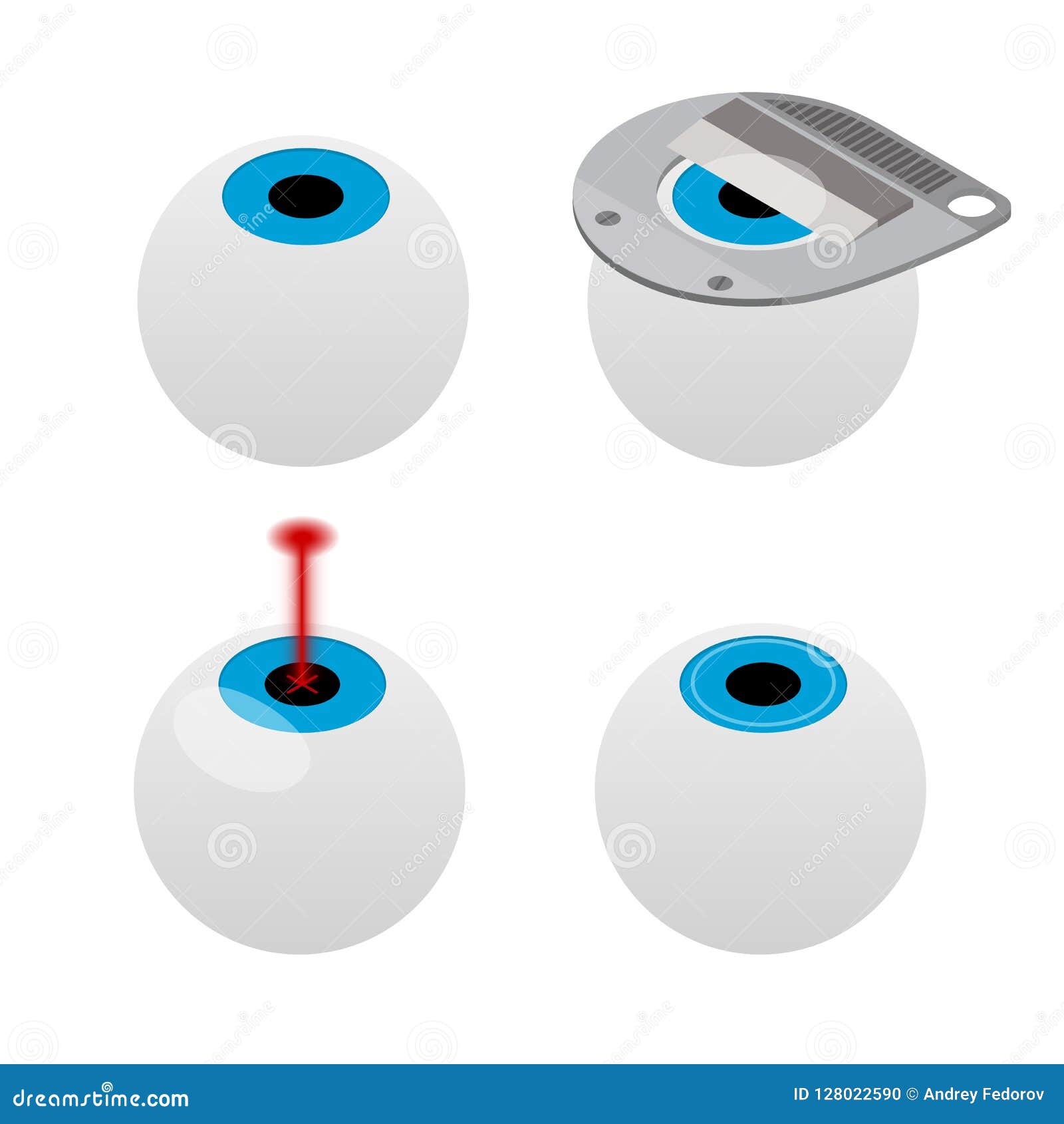
Individuals who have had LASIK surgery often find that they still need some form of vision correction for text reading or near tasks as they age and begin to experience age-related vision changes. Multifocal lenses allow those who have had LASIK to maintain clear vision across various distances without the hassle of carrying several pairs of glasses. This versatility ensures they can continue enjoying activities such as book reading or using a computer without experiencing strain or pain.